LAB NOTE
10.14.26
10.14.26
Tracking cultures as the shelf fills
What becomes harder to remember first—and what should stay visible.
Tell MyTCLab what you're actually preparing—plant, stage, jars and working volume. Plan the run, keep the batch organized, know where it lives, and keep the next step in view.
The challenge is not remembering one culture. It is remembering what happens when jar counts, shelf locations, dates, observations and the next transfer all begin to overlap.
Set the run once. Then watch that same batch carry forward through the parts of the work that normally get separated across labels, notes and memory.
That number becomes the beginning of a real batch. MyTCLab keeps the plan attached to the culture work instead of leaving it behind as a one-off calculation.
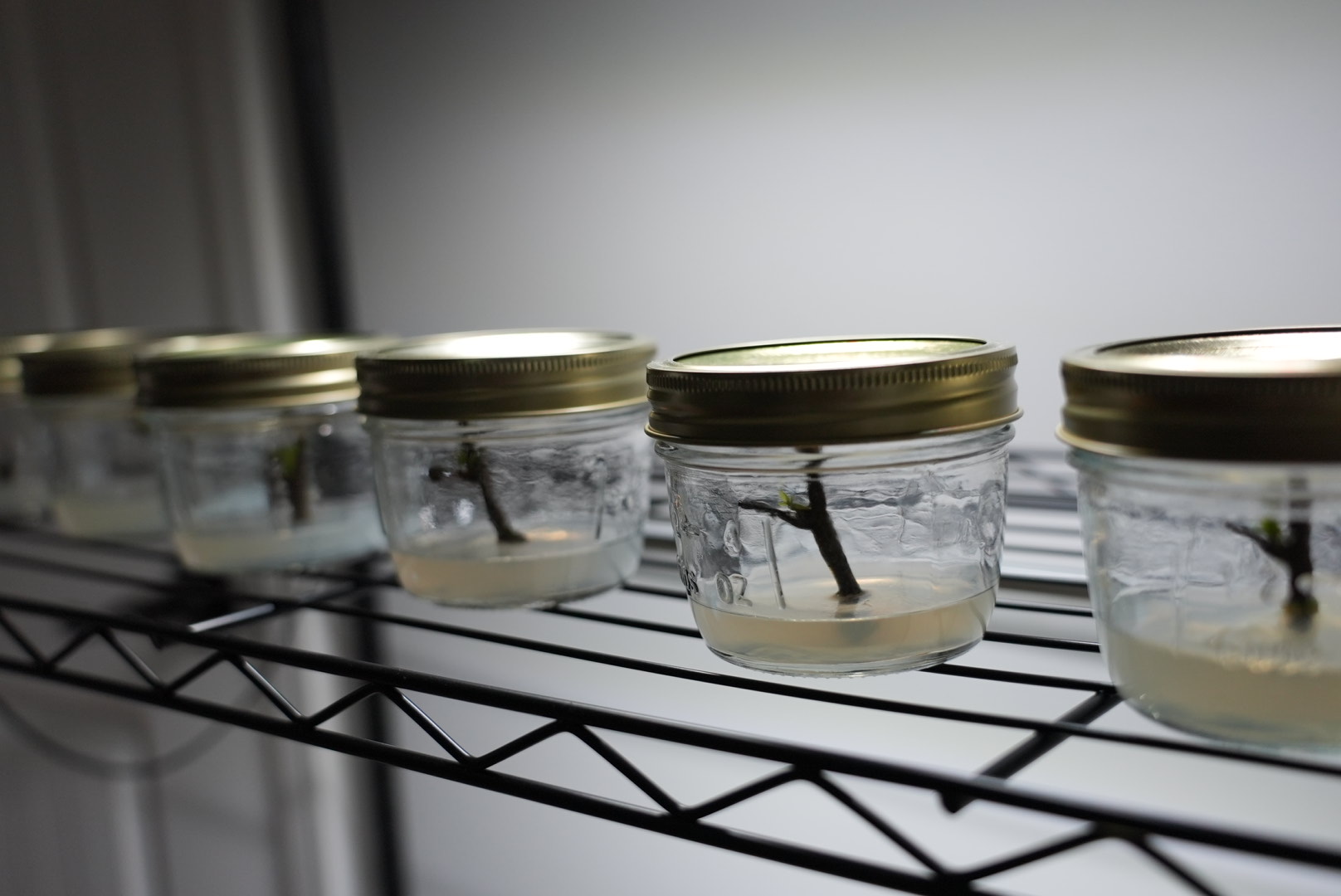
The product view changes with the story: the batch becomes a rack map, showing where cultures belong and how much shelf space the run actually occupies.
As the scroll moves forward, the same panel becomes the check-in view. The batch is now about time—what is due, what is coming, and what already happened.
The final state becomes a journal timeline. Planning, placement and observations now read as one continuous history rather than disconnected records.
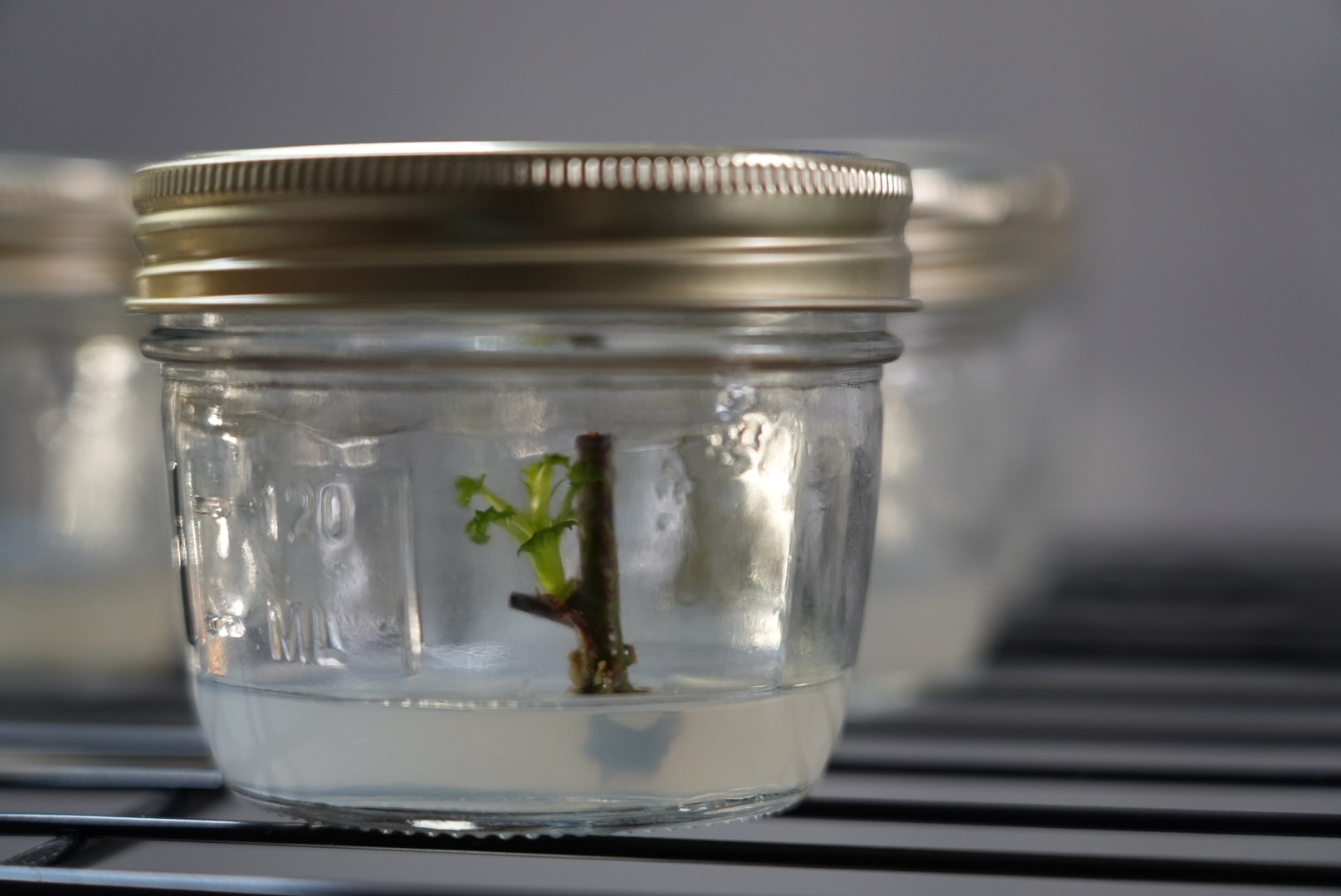
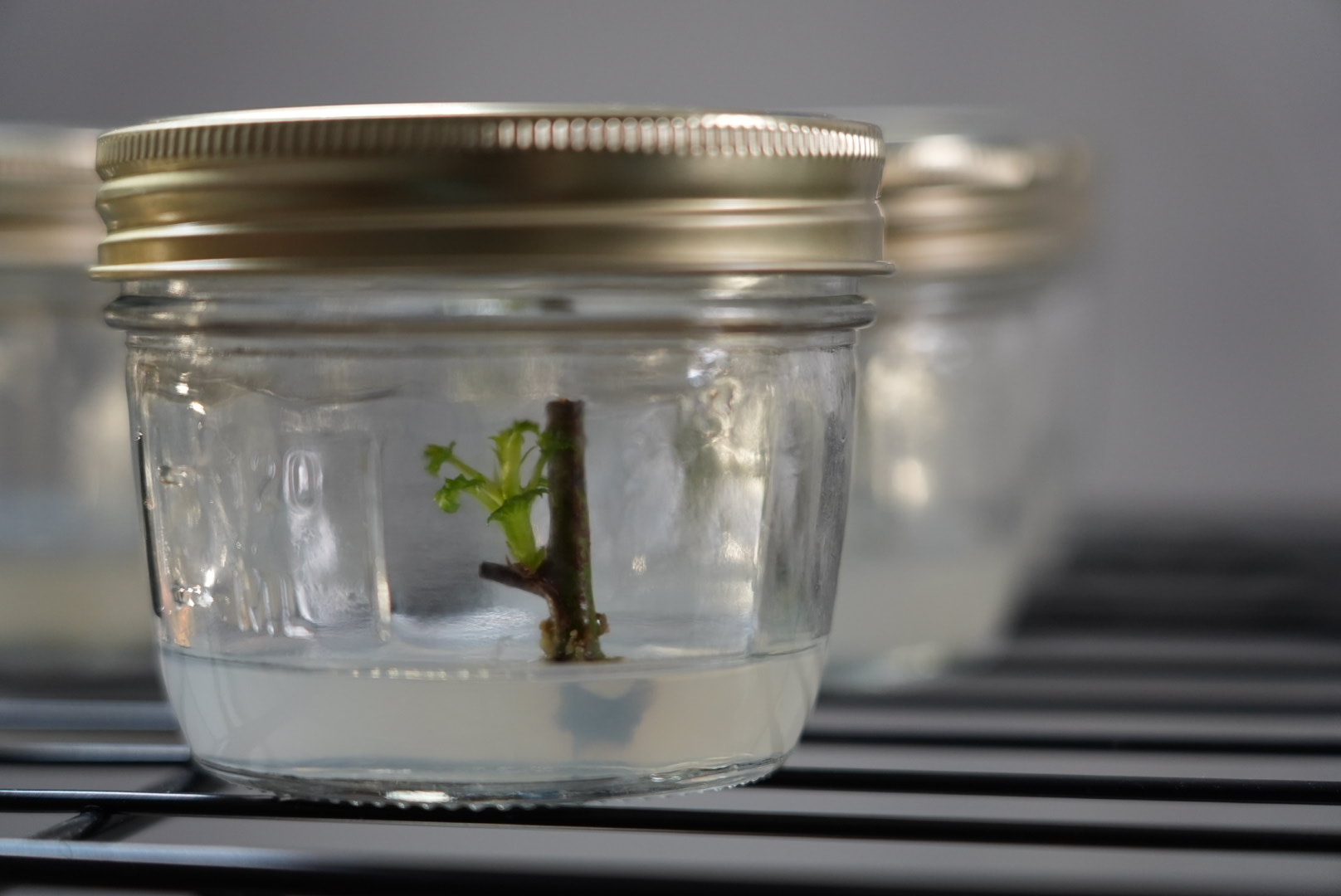
Blackberry · Multiplication
Rack A · Shelf 2
Planned 24 vessels at 35 mL working fill.
Assigned to Shelf 2 and recorded in the growing area.
Culture condition reviewed and note attached to the batch.
Review cultures and decide the next step.
MyTCLab isn't a generic dashboard wearing plant colors. It is organized around the practical questions that show up during real tissue-culture work: how much am I making, where did I put it, when should I check it, and what happened last time?
Buy MyTCLab once and keep the version you purchased. When a future major release adds enough value to justify an upgrade, you can choose it—or keep working with what you already own.
The Academy is the evergreen learning side of MyTCLab—structured education that helps people understand the science and practice without duplicating the operational recipes inside the software.
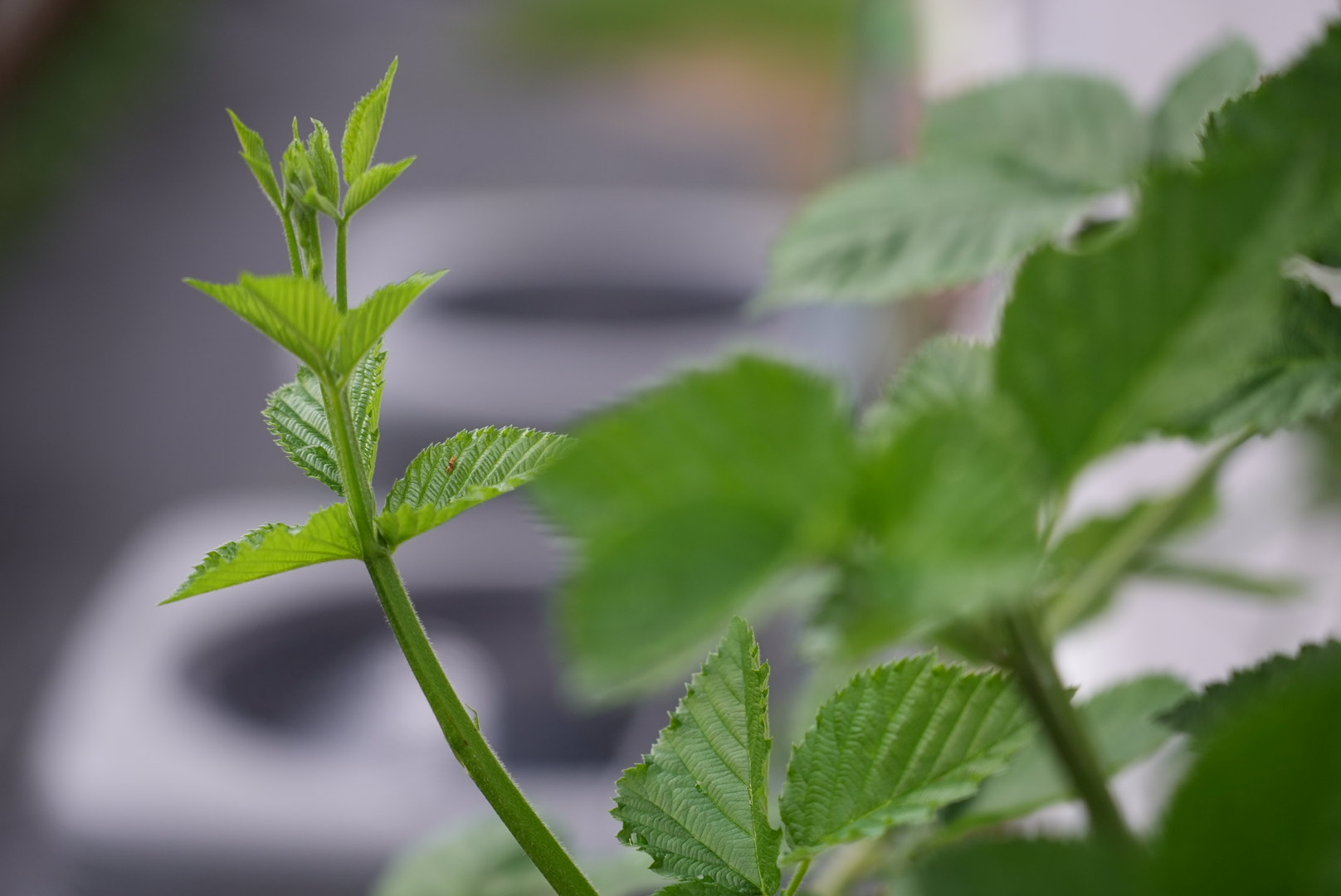
A practical introduction to controlled plant propagation, explants, stages and what happens between initiation and acclimation.
Understand why a culture's needs change as it moves through the process.
The amount in each vessel changes what must be prepared for the run.
Learn what to look for and why clean observation matters.
Simple organization becomes more valuable as cultures multiply.
The screen is not the point. The point is knowing what the culture needs next without carrying every detail in your head.
The From the Lab should feel like the record of a living project: first-hand observations, microfarm notes, research commentary and product decisions worth sharing.
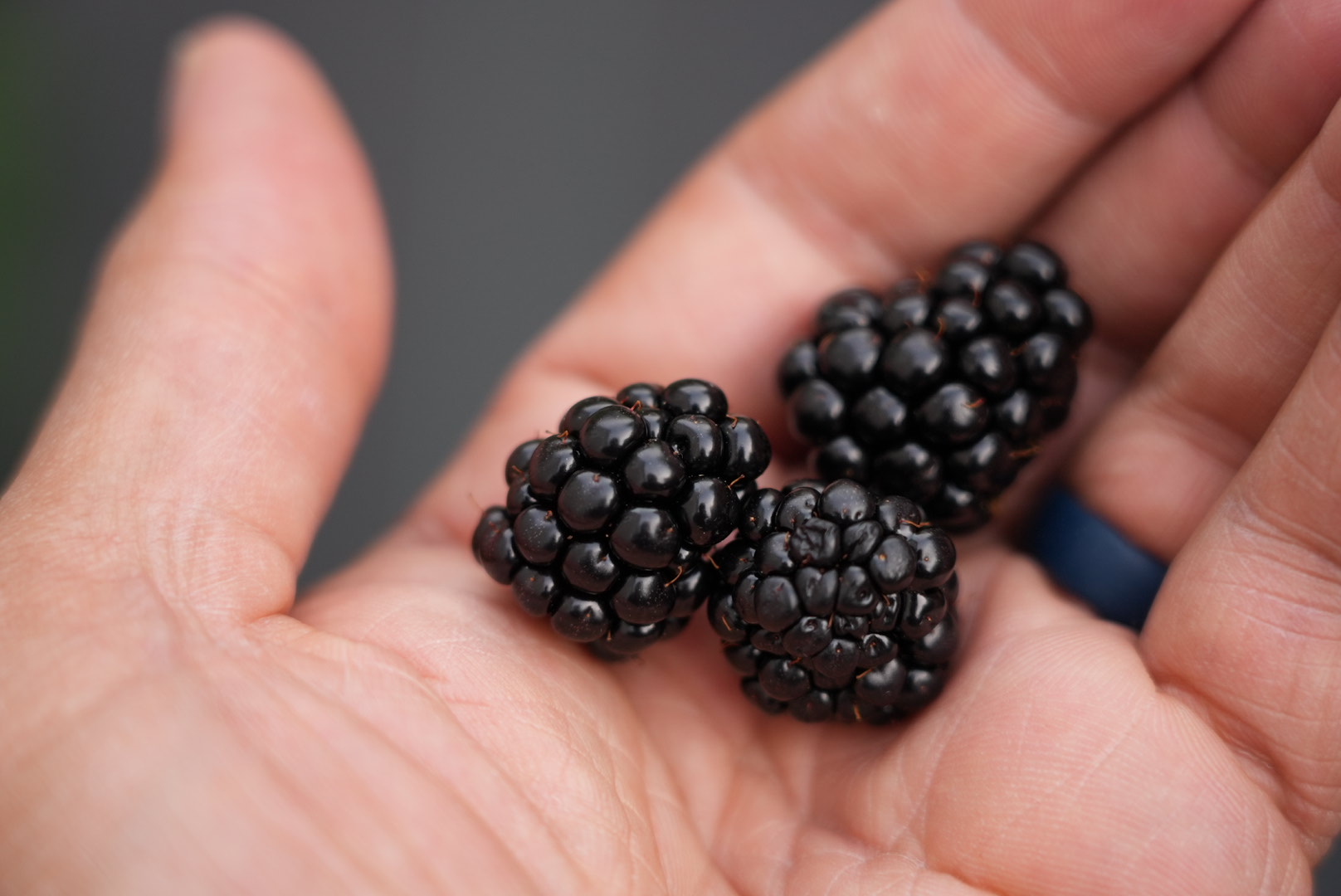
When plants, jars, shelves and experiments begin to overlap, organization stops being clerical work and starts becoming part of the growing process.
What becomes harder to remember first—and what should stay visible.
Separating published findings from local observations and assumptions.
The product decision behind carrying one batch through the entire workflow.
A practical introduction to plant material used to initiate culture.
MyTCLab remains useful as software you own. When you choose to connect MyBusinessTree, you can discover practitioners, ask questions, share selected outcomes and build useful relationships around real tissue-culture work.
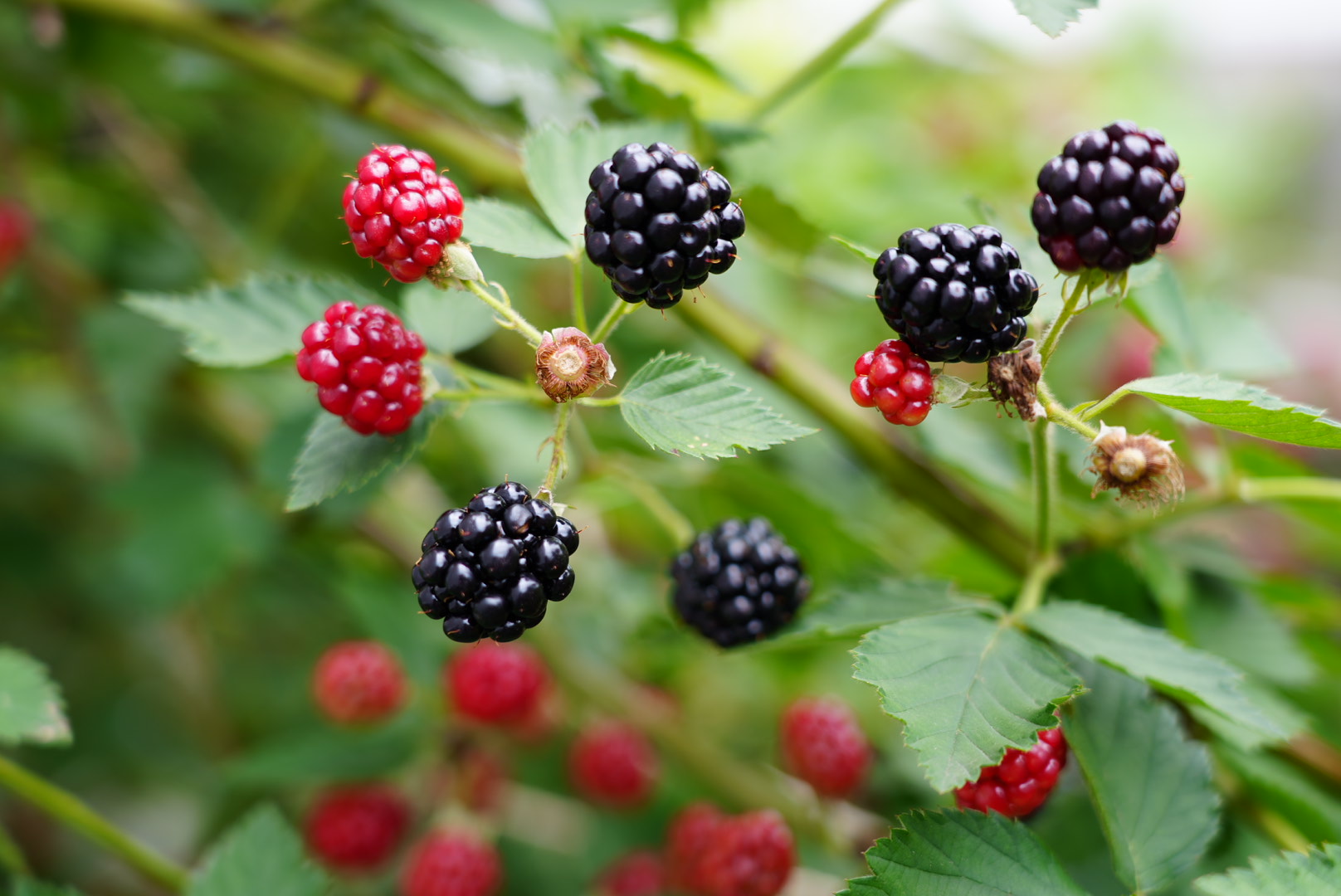
MyTCLab was founded by Steward Clinton, a tissue-culture enthusiast running a microfarm in Marietta, Georgia. The idea grew from a simple question: how can the practical details of this work be easier to plan, find and remember?
— Steward Clinton, founder of MyTCLab
And when the jar count changes, you don't start the thinking over.