
Species vs cultivar/genotype
By the end of this lesson
- Separate species and cultivar identity
- Explain genotype-dependent response
- Limit claims to the tested biological context
See it
Species identity is important, but tissue-culture response can also vary among cultivars or genotypes within a species. A protocol that works well for one genotype may perform differently for another, so genotype belongs in the evidence and batch context whenever it is known.
Understand it
Separate species and cultivar identity
Keep scientific name, cultivar/genotype, and source plant identity separate.
Species, cultivar/genotype and donor identity describe different levels of biological context.
Explain genotype-dependent response
Genotype can affect multiplication, rooting, browning, hyperhydricity, and other responses.
Genotype may affect multiplication, rooting and disorders, even within the same species.
Limit claims to the tested biological context
Community outcomes become more useful when genotype is not stripped away.
Separate cultivar-specific outcomes prevent a mixed result from becoming an unjustified species-wide claim.
Worked example
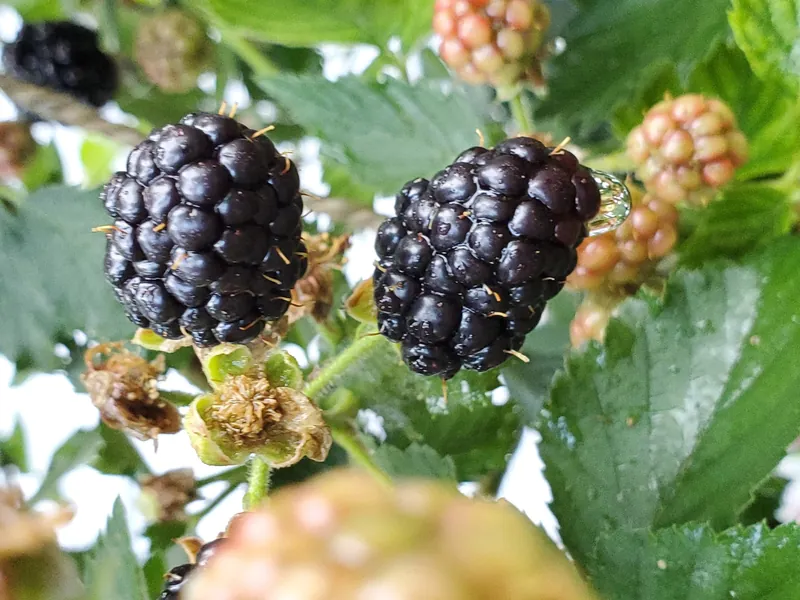
Two blackberry cultivars receive the same treatment. One produces useful shoots and the other responds poorly. Preserve the cultivar names and results rather than reporting a single universal blackberry response.
Explain your decision before opening the worked reasoning below.
Show the worked reasoning
A result from one genotype does not establish uniform performance across all genotypes of a species.
Genotype and treatment context make an outcome usable when comparing results across growers.
Do not label a cultivar-specific result as a universal species-level rule.
Try it
How should the example's results be summarized?
Use the worked example above to explain your answer in your own words before taking the quiz.
Lesson quiz
Assessment version: 2026-10-15-v2. Previous reading-completion markers are retained. This revised quiz has its own result.
Apply it
Use the worked example to write a short decision record: what did you observe, which rule did you apply, and what would you check before acting?
Completion marks reading progress, not a quiz pass or professional certification.